Why EV range is only an indication
Guides5 min read
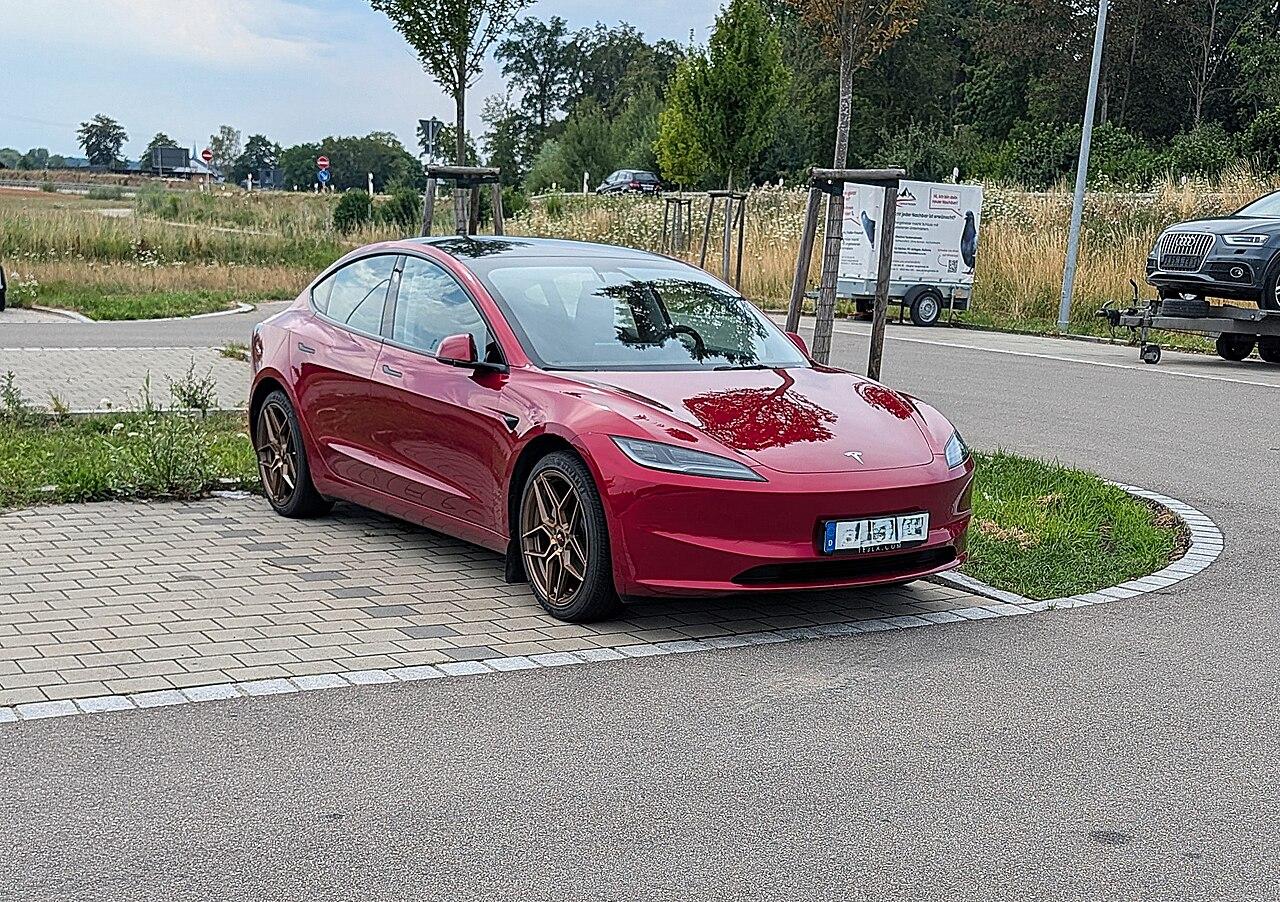
The range that an EV can travel between charging has become a fundamental decision issue for many of those purchasing an EV, be it their first, or even the third such vehicle. This has led to the new medical condition called Range Anxiety, which is not a joking matter for millions of EV users.
While the EV industry has made – and continues to make – huge and very welcome strides in improving the ranges of their vehicles, be that through developments in battery design, or the development of the extended range models using the latest EREV technology, the issue of range is still central to many purchasing decisions.
But what range are we talking about? And why are the numbers given by the manufacturers not exactly accurate?
The most important thing to be aware of is that the stated range is never going to be the range you get. Sometimes, you may get more, sometimes you’ll get less. (Have you heard the Ford Lightning 150 story? See below).
There are a huge number of reasons why this is so, including the trim, the wheels, the drivetrain and the model year. We have listed a few more reasons below (if you can think of any more do let us know!).
But seriously, be aware of spurious accuracy, where a figure such as 321 miles is stated as that looks like someone is trying to wring out the last possible mile from some formulae rather than it being anything actually accurate. Remember, all the numbers given are only indicative and - especially for the legal boys - the best we can do (and in fairness, the best the manufacturers can do) is to give you numbers that driving under certain standard conditions might produce.
For BEV’s this is reasonably easy, as there are the wltp numbers provided by the manufacturers which are derived under test conditions, but for hybrids it is more difficult, being a combination of the range achievable on battery alone, plus the range provided by the tank of fuel. This is particularly a hot subject with the newer extended range EV’s which are entering the market (and which we will soon be showing separately from PHEV’s). There are ranges approaching 1000 miles already on the way – that’s more than Edinburgh to Plymouth and return -with a trip to the chippy thrown in - without filling up.
We are always working to get all the vehicle data we can from multiple sources, including the manufacturers, but sometimes there are factors that make that difficult, such as when there are multiple models of the same vehicle which seems to confuse everyone, and then you will see gaps which we have yet to fill. Sorry.
We have tried to get the data for vehicles that are no longer manufactured, as many of them are still in use and being bought and sold every day (used cars outsell new registrations about 4 to 1). However, sometimes the data is simply not available.
We’ve provided the best and most likely numbers we have found, but please be aware that these are inherently inaccurate and are just a guide – remember all the numbers given are only indicative.
So be careful, be mindful of not relying on the figures shown and check everything before you make any decisions.
(The Ford 150 Lightning EV story – a warning to all! Certainly one of the biggest selling vehicles in the USA and Canada is the Ford 150 pick-up truck. It’s a real workhorse and is found everywhere! When Ford USA announced the 150 Lightning EV they promised that it would do 240-320 miles on a full battery, depending on the version. They also promised it would tow up to 10,000ibs behind it (4535kgs). It turned out that both were true – really! But what Ford USA didn’t say was that if you towed 10,000lbs then you might, if you were lucky, do 90-130 miles on a full battery. That’s a drop of over 70%, which shouldn’t have come as a shock to anyone who understands the issues around range, but it was, and lots of owners were really upset. This was one of the stated reasons why Ford killed off the 150 Lightning EV version, alongside writing of almost $20 billion in EV development costs at the same time.)
Things that might alter the expected range:
- If the weather is sunny
- If the weather is rainy
- If it is snowing
- If you use windscreen wipers
- The speed of the windscreen wipers
- The size of your right foot
- The type of boots you are wearing
- If you have the heater on
- The speed you have the heater fan blowing
- The tyres you have
- What pressure the tyres are pumped up to
- How much tread there is on the tires
- Whether you are carrying a spare
- If you have all your car’s electronic toys switched on
- Your rate of acceleration at traffic lights
- If it’s a Porsche you are trying to out-run or a bus.
- If it’s an unmarked Police car you are trying to out-run.
- The amount of shopping you have just put in the boot
- The amount of shopping you have just put in the frunk
- How many passengers on board
- How many adults on board
- How many kids you are taking to school
- If you have the Mother-in-Law in the car
- How many suitcases you have managed to squeeze in
- If you are towing something
- How heavy the thing you are towing is
- How aerodynamic the thing you are towing is
- The distance you are travelling
- The type of road you are on
- Whether the road is flat or you’re going up hill
- Or going down hill
- The speed you are doing
- If you have a roof box
- How much braking you do
- How slow the traffic jam is
- How many roadworks there are
- If you have seen the police car behind you
- If your Satnav has told you about the speed camera 100 yards ahead
- How old the car is
- How often you have charged it up to 100%
Admittedly, there might be some that are a bit obscure in this list, but even so, we don’t believe it’s exhaustive and there must be many more that we could add.
Let us know if you think of any others…
We hope you have found this EV Insight useful, thank you for taking the time to read it.
The EV Directory
© copyright The EV Directory 2026