EV Insights - We only list EV’s
Guides4 min read
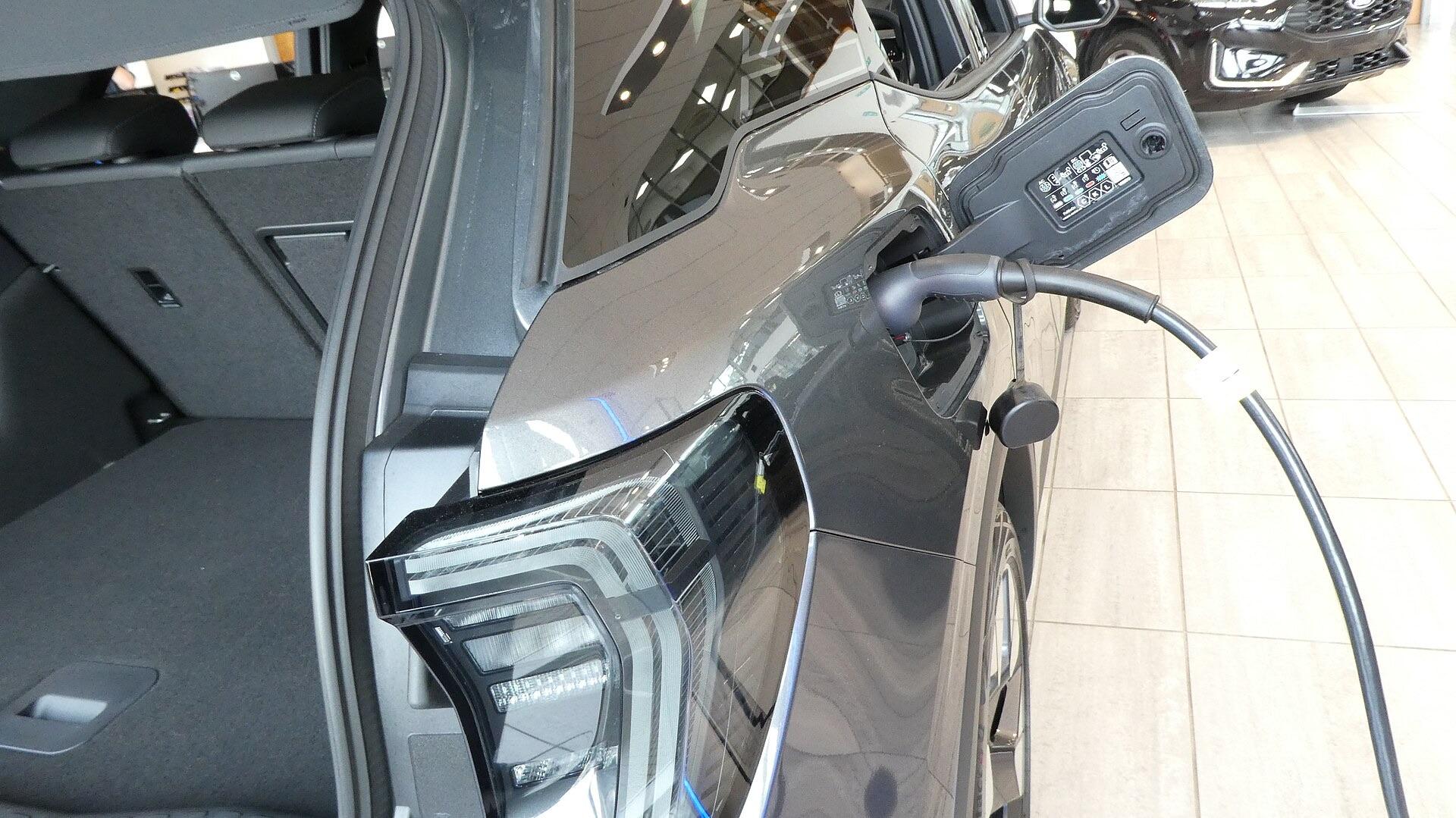
Here at The EV Directory we only list EV’s, which are vehicles that can or do get 100% of their energy from the grid.
BEV, NEV, PHEV and HEV, ICE, MHEV, ZEV, EREV and REEV are acronyms of vehicle types based on their powertrain, which is how the power gets to the wheels (please check out our EV Insights – So, what’s a BEV, NEV, PHEV and HEV etc ? article).
ICE, which stands for “internal combustion engine”, use petrol or diesel, which are fossil fuels that chuck out loads of horrible planet-damaging emissions, which is said to be a primary cause of global warming, so pretty much everything going on in the motor industry today is about switching away from ICE and into electric vehicles, or EV.
To be an EV the key features are, firstly, that the powertrain must have a battery as a source of powering the wheels, and secondly, it must be able to pull electricity directly from the electricity grid - via a plug of some sort - as its main or only method of recharging its battery.
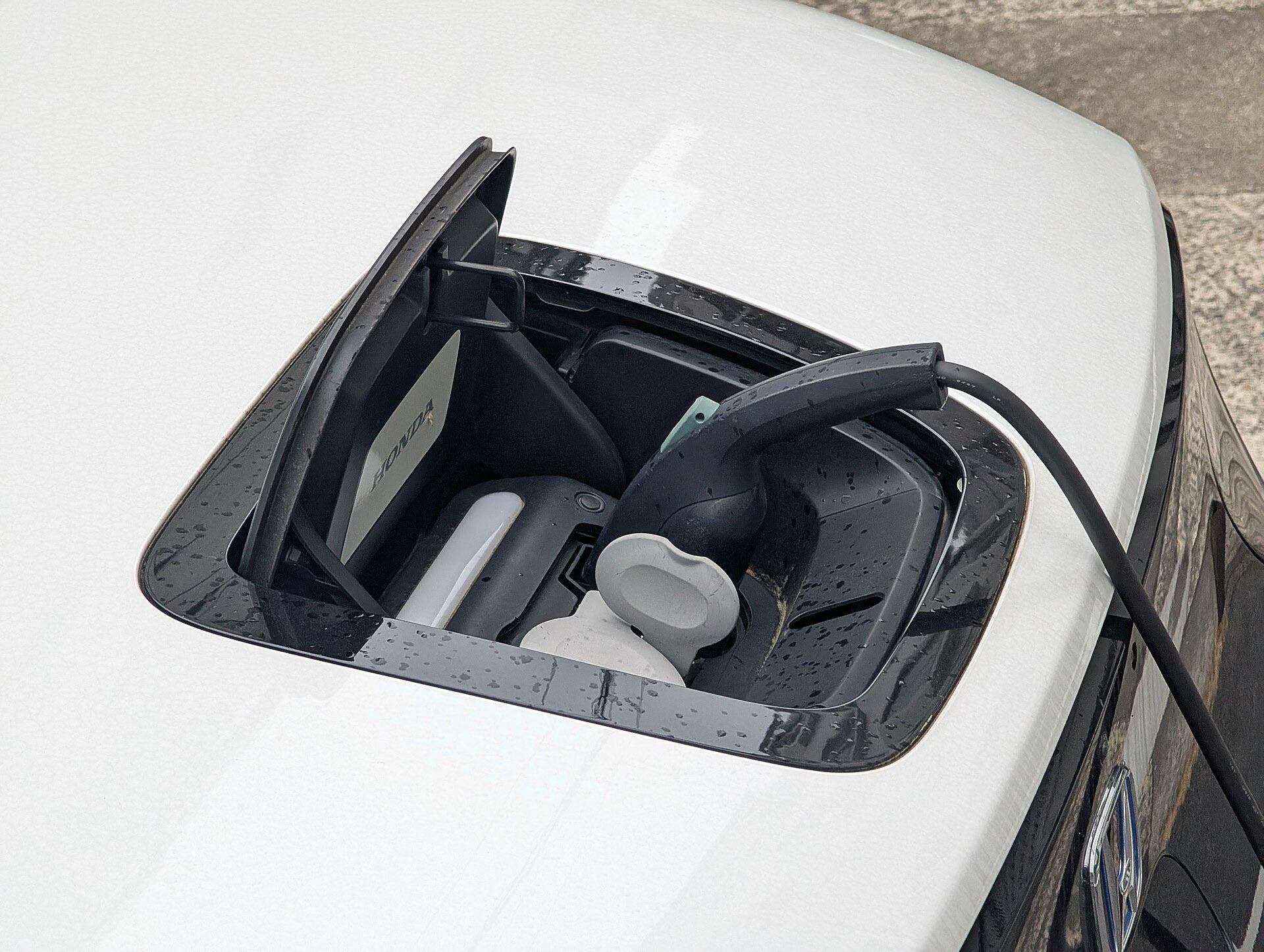
Where the vehicles total energy requirements come from a battery that has to be plugged-in to the grid as its only method of being recharged, it is called a BEV, a Battery Electric Vehicle. These are the majority of EV’s being purchased in the UK, and will become the sole type of powertrain allowed to be sold from, currently, 2035. We do list these.
Alternatively, those vehicles that have a battery but cannot plug in to the grid and have to rely 100% for their energy from a linked ICE, are HEV or Hybrid Electric Vehicles. These are effectively dual powertrains, with all energy to the wheels, including directly from the battery, originally coming from the ICE as it cannot be plugged-in to the grid. Although slightly different, MHEV falls into this classification too. We don’t list these.
PHEV’s are also a type of hybrid with dual powertrains with both an electric motor with a rechargeable battery and an ICE engine, but the main difference is that these can be plugged in, so all the energy to the wheels can come from being plugged into the grid, which makes them an EV. We do list these.
Someday, however, PHEV’s will disappear, just like ICE, but during the next few years or so, while the transition to full BEV continues, the Plug-in Hybrid has a major role to play where the range of the vehicle is an important consideration. A lot of EV purists originally argued otherwise, but the PHEV’s we are seeing now, with ranges of over 1000km, are proving very popular in demolishing range anxiety for millions wishing to convert to EV, as well as for those living in areas where the charging infrastructure is poor.
But if that wasn’t enough, there’s even more excitement out there - as a new category is rapidly developing - the Extended Range EV’s (EREV) or Range Extended EV’s (REEV) (being exactly the same thing).
These are similar to PHEV’s but in a EREV the ICE, being typically smaller, is only there acting as a generator to recharge to battery. So, unlike in a PHEV, where the power to the wheels can come from the battery or from the ICE, in EREV’s the energy only comes from the battery, as the vehicles own ICE only recharges battery. It this layout, the power to the wheels can only come from the battery. In addition, while the ICE in a EREV acts as a generator, EREV’s can be plugged into the grid, so all the energy to the wheels can come from the grid, which makes it an EV. And we do list these.
Like PHEV’s, extended range EV’s have been developed to address the range issues associated with BEV’s, but as the range capability of batteries develops, alongside the increases in charging infrastructure, the need for a vehicle to carry its own heavy generator and fuel systems will decrease, and these will one day also disappear, just like PHEV and ICE.
In the meantime, extended range vehicles will probably develop and replace PHEV’s, so watch our listings as we continue to introduce these as an important new category.
Bottom line, a BEV (Battery Electric Vehicle) is clearly an EV, while a PHEV and EREV are EV’s because you can plug them in - and we only list EV’s.
We hope you have found this EV Insight useful, thank you for taking the time to read it.
The EV Directory
© copyright The EV Directory 2026